Close Quarter Manoeuvring Talk
Published 17:26 on 27 Jan 2026
Close Quarter Manoeuvring
23 January 2026
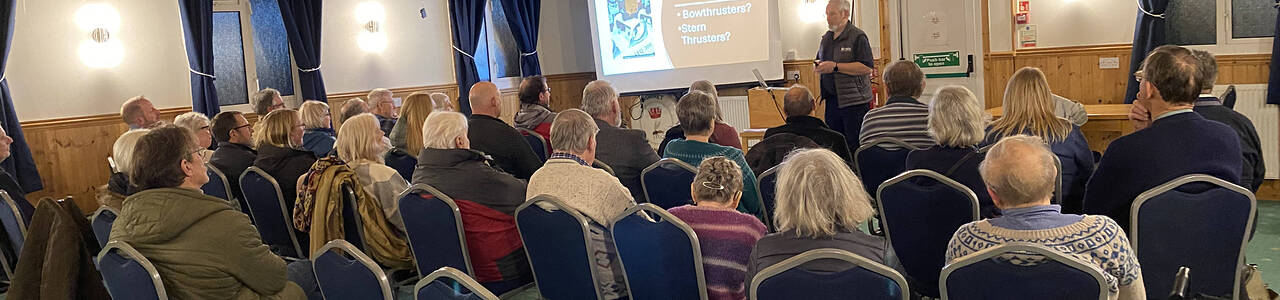
Manoeuvring in Enclosed Spaces talk given by Colin McLean, assistant manager at Haslar Marina.
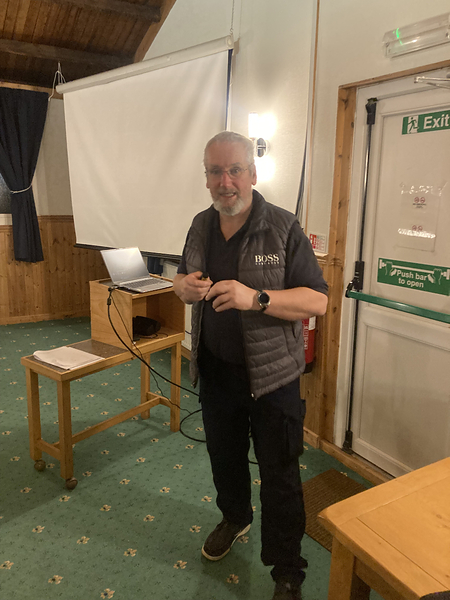
Jem welcomed us and thanked Hornet for their hospitality. There were over 30 people in attendance, which included 9 Hornet club members, which was great.
There was a slide show as follows:
Which type of boat
- Prop shaft, sail drive, yacht with twin rudders, motor boats with either single inboard, twin inboard, single outboard or twin outboard engines?
- Which was the worst to handle? Twin rudder yachts.
- Which was the easiest to handle? Motor boat with twin outboard engines.
- If you have bow thrusters, forward and aft great! Its like having power steering in a car.
- Flat bottom boats like Merry Fishers can blow about in the wind.
Well known sayings:
- Slow is Pro
- Only go as fast as you want to hit the dock.
- Neutral is your friend.
When coming into a marina what do you need to take into consideration?:
- Obstacles - boats moving, exhausts, people moving.
- What way is the wind blowing and the tide going?
- How can you tell if a gust of wind is coming? Look for a ripple on the water moving towards you.
- Mother Nature is a very important dont try to fight her.
Hull shapes? What affects them the most - wind or tide?:
- Flat bottom - wind.
- Round with keel - tide.
- Multi-hull - wind and tide.
Key points on getting ready to berth:
- Make sure you know where your berth is. You can phone a marina if you dont like the look of it to see if there is an alternative. Never be afraid to ask for assistance.
- Make a plan - put lines and fenders on both sides to be prepared for all anomalies.
- Always have an escape plan and keep your crew informed of all plans. Centre lines being the most important.
- If things are going wrong do not use lots of throttle - go into neutral. Never use hands or feet to stop your boat.
We then watched a short YouTube video on close quarter manoeuvring a 37.4m super yacht.
To summarise:
- You only need to go as fast as you can still steer.
- Always make sure your crew know your plan.
- You can always stop to see how your boat is manoeuvring. Is the wind or tide winning?
- What is your escape plan?
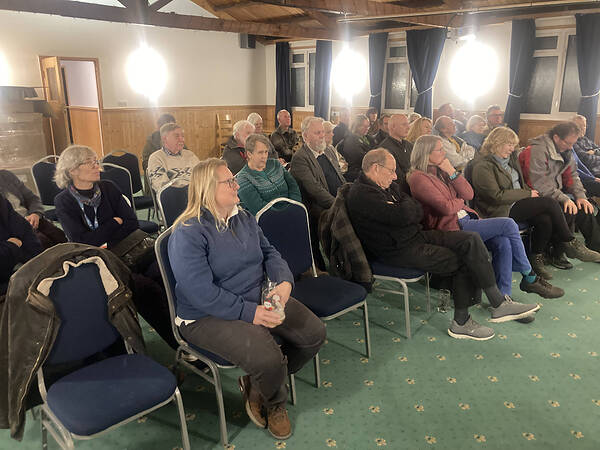
A very informative and entertaining talk.
Deb Cane
Last updated 08:39 on 20 September 2026